These would be certainly most common feelings I would hear from clients or experience myself in months leading towards Christmas and even once they arrive. Christmas is a beautiful time of the year, joyful and merry for many.
BUT.
For many it is time of sadness, remembering people we lost, time of stress and overwhelm from pressure Christmas creates for us financially, emotionally and mentally by the sudden energy and effort and resources we often don’t have and we need to put into buying or creating presents. Everyone on high alert and stressful energies gathering together with families when these stresses are released and people argue, blame and often forget about what the whole Christmas were meant to be about. Not talking about those who might not have anyone to celebrate with and whole Christmas is a reminder of their own loneliness.
Imagine how we would approach each other if we’d decide not giving each other presents or if we decide we won’t come to visit or we won’t make big meals?
For many this would create even more sad feelings, because Christmas are meant to be about celebration about gathering together about giving presents because we care about each other. Managing opposing ideas and wishes within groups of people can be difficult as one might be okey with not giving presents within entire family inbetween each other meaning it in the best possible intention – to reduce stress for everyone, but a family member or a friend might see it as they don’t care enough about the relationship if they can’t even think of giving a present, visit or cook big meal.
I would be curious if the answer is somewhere in the middle, if it is about recognising what we need and how we can fit this within others or if it is even possible. Maybe there’s place to have conversations about Christmas presents if this is too big of a restrain on us, maybe it is having conversations about visits, if we want to have a quiet time within small family or inbetween partners only, maybe it is having conversation about cooking duties and how much can be done and for how many people.
And ultimately if it feels too much, too stressful or too overwhelming it is okay to not celebrate at all as well. Many years ago I couldn’t even imagine not celebrating Christmas, but there are actually many people out there who don’t and it is same valid because this is the way it works best for them.
Bringing such ideas within specially family can be difficult and you might be met with no understanding. Possibly approaching it from compassionate place where you understand this might be painful in some way for them, reassuring them that your relationship towards them is still the same, but you just find it too much at the moment, might be one of the ways going about it.
Sometimes we get so caught up in our own ideas and how we consider world to work best, that we don’t allow needs of other people to come forward, we stop being open to different possibilities and realities other people might be living in. I get it and certainly I’ve been guilty of such many times. It is after all how our brains work, we have a ‘blind spot’ towards ourselves where we can’t see ourselves just the way we are. It’s quite human in fact. But especially when other realities are just so alienated to ours this might ultimately mean that these relationships might not survive and carry on, at least not in connected genuine way, because we are just way too different people. It might all lead to acceptance of others people realities, acceptance of the dynamic it creates and even acceptance of possible end. But here I am going to a completely different topic possibly for another day.
As a society in countries celebrating Christmas we jump on the whole Christmas roller coaster either we want to or not because it is expected of us. Some of us really enjoy this time period and some of us would rather not to celebrate at all and both options are equally valid. If you want to celebrate, please do by all means, but if you don’t, please do by all means as well.
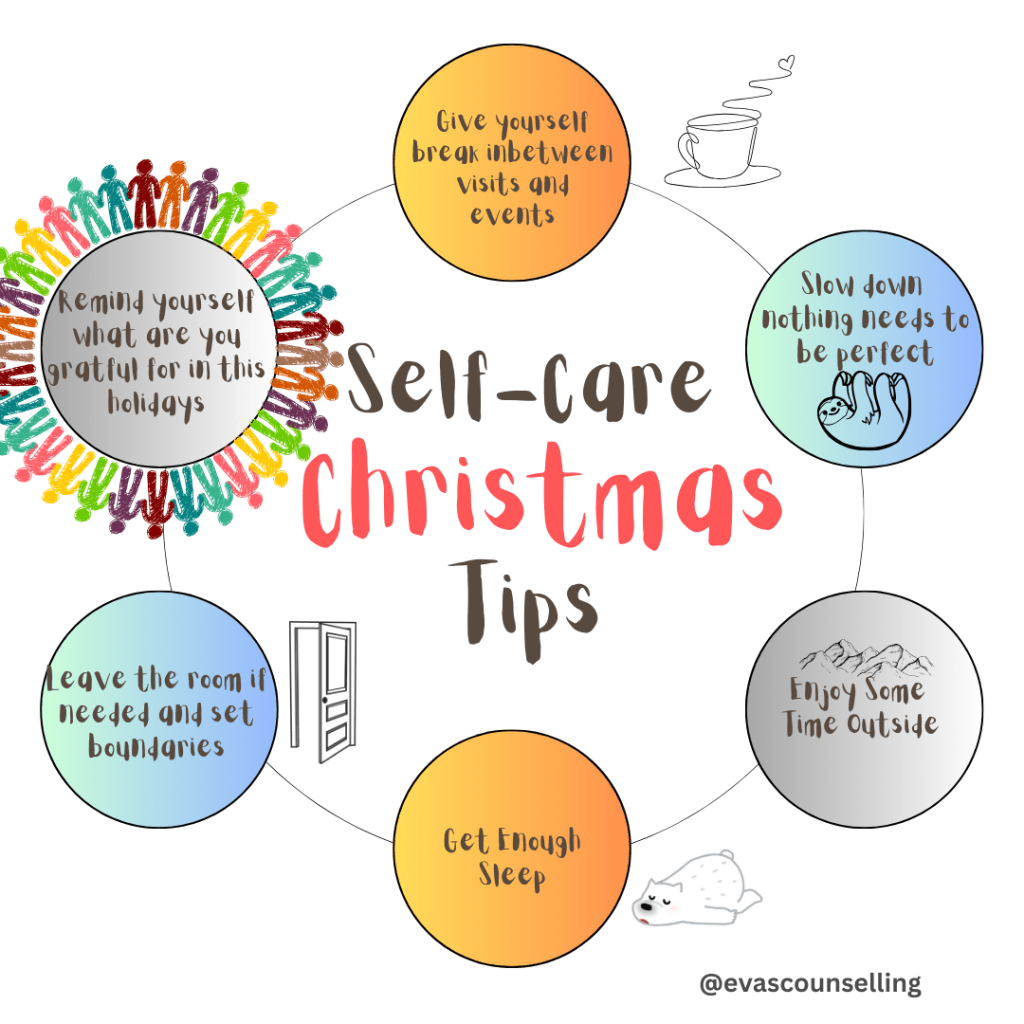
This one is a bit different one to previous articles, but as it is Christmas and there is so much of cheering I felt that it might be important to speak towards those who feel the overwhelm this holiday creates helping you allowing yourself to be just you within the pressure. Allowing yourself to take care of your own needs and practice self-care. Allowing yourself to listen to your body and take on board what it has to say.
In all honesty I am one learning exactly that myself. It is not a sprint but a marathon, where we sometimes go and are not yet able set appropriate boundaries neither we are able to not get into arguments. It is okay. It is a trying pool where we can observe where we stand.
So I wander do you celebrate Christmas?
Do you enjoy this festive season or does it bring up mostly negative feelings for you?
How are boundaries working for you in this season?
Have you ever felt low even depressed when consuming social media content?
Have you ever felt such when watching news in the TV?
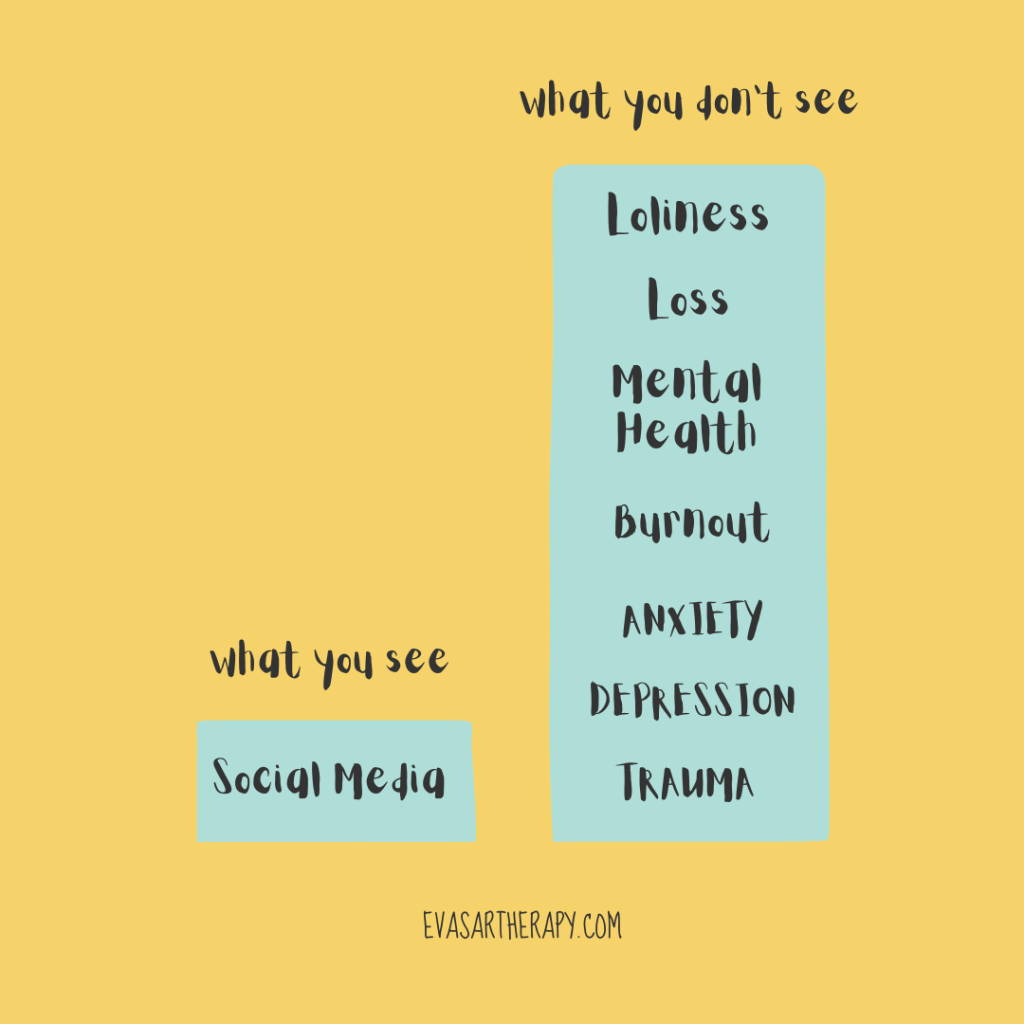
I am not sure about you, but I am sensitive person who gets feels from things happening around. The connection to my emotions makes me often feel even through the screen what is happening with people or animals there. I find social media and internet itself to be very dangerous and detrimental to our mental health in this sense. One of the things which I will focus on some other time is the lowering attention span we are experiencing by consuming social media content. Another one which we will be focusing on this week has a fancy name in psychology world – Vicarious Trauma.
What is Vicarious Trauma?
British Medical Association defines Vicarious Trauma as follows:
‘Vicarious trauma is a process of change resulting from empathetic engagement with trauma survivors. Anyone who engages empathetically with survivors of traumatic incidents, torture, and material relating to their trauma, is potentially affected, including doctors and other health professionals.’
This is often something experienced by people in health professions, but as well therapists, social care workers, carers, journalists, police officers etc. but as well by you consumer of traumatic news and content. Nowadays culture is based on sharing everything happening in the world. One side of such is staying informed and getting often first hand news and experiences from people directly where the events are happening, but another side of the coin is that you consume and experience as if it to be your own traumatic experience.
How does Vicarious Trauma influences us?
Let’s take for instance any war in the world you might identify with for cultural, geographical or any other reasons. This is a huge traumatic event survivors are going through, likely experiencing as trauma. They share content about it to raise awareness and get necessary help, which is absolutely right thing to do, because it is important for the world to know.
BUT.
You as a consumer of such content in your home on your sofa is emotionally engaging with the trauma these survivors are talking about. It is sort of natural human healthy interaction, but normally we do this with people around us which is often a small group of people in our family and friends which if we take care properly for ourselves we are able to handle.
BUT.
What happens when you do this a lot one post after another, which algorithm on social media often makes sure you do, you are consuming trauma of other people by emotionally engaging with the content which ultimately might lead to following symptoms:
experiencing lingering feelings of anger, rage and sadness
becoming overly involved emotionally with survivors
experiencing bystander guilt, shame, feelings of self-doubt
being preoccupied with thoughts of survivors once away from social media
over identification with the survivors (having horror and rescue fantasies)
loss of hope, pessimism, cynicism
distancing, numbing, detachment, cutting people off, staying busy. Avoiding listening to stories of traumatic experiences
All of these apply as well for already mentioned health care professionals, another layer they might experience is difficulty in maintaining professional boundaries with the client, such as overextending self (trying to do more than is in the role to help the patient).
Unfortunately health professionals apart of therapists and psychologists often don’t have an outlet where to go and process Vicarious Trauma. Therapists usually have a supervisors and supervision groups where they bring such things as Vicarious Trauma because their job is very much related to shared trauma. But other professionals often don’t have incorporated such in their work and so often this brings them to people like me, therapists, as they recognise change in their behaviours and mentioned symptoms.
I have to say it is not only health professionals who suffer from such. There are multiple clients I had over the course of years, who’s profession did not include dealing with traumatic events, yet they would exhibit symptoms of Vicarious Trauma. Some was due to family and other relationships dynamics, but some was purely from consuming internet content.
These people than stopped being functioning for their immediate circle and this is something we see often happening in nowadays society, when people are distancing themselves from close people due to inability to deal with anything heavier and more difficult to handle. To a degree this is healthy as it is not our responsibility to deal with all the issues our loved ones and people we care about might have and there is responsibility on their shoulders to reach for help from professionals if people around find it to be too much. But if we become dysfunctional and emotionally distant to people around because of engaging with content on internet that is a red flag for us, that maybe we are the ones who need to put in place some actions to become again functioning and emotionally available.
I am not trying to say here we should all become ignorant to world events and close eyes when there are atrocities happening around the world. But what we might need to do is being aware that we can only pour from a full cup. We need to be maybe aware of such things such as Vicarious Trauma and recognise its symptoms and put in place actions which will help us deal with such. We might maybe need to be honest with ourselves and recognise that all we can truly influence is our physical environment around and that is the true and genuine help we can really offer to the world. By all means share what you feel is important to share with the world, but stay aware of the impact consuming a lot of such content has on you.
Never before was self-care so important as it might be in the world of internet and social media. Never before was self-awareness and connection with ones body and emotions so important as it is these days, because only if we understand what is happening with us we are able to change something. Only then we are able to put in place necessary boundaries or actions to be able show up for the world around us in constructive way and pour from our own full cup.
What can we do to prevent Vicarious Trauma?
When professionals experience Vicarious Trauma the nature of their work make their colleagues, supervisors or other professionals alert about symptoms and they often might be encouraged to seek professional help in order to work through what is happening for them. Despite them recognising effects of Vicarious Trauma someone around them might point symptoms out for them and due to their responsibility for patients or clients they might have to seek some help. The awareness might be as well a bit greater within themselves as the nature of the work they do pushes them to seek information or is getting to them through professional workshops etc. Ordinary person who’s job does not involve dealing with traumas of other does not get to such information and that is why I feel importance of bringing these terms out into open and talk about mental health.
So what can you do as a consumer of traumatic content in TV or social media do in order to prevent Vicarious Trauma? (following points were taken from British Medical Association with my own commentary)
Increase your self-observation – recognise and chart your signs of stress, vicarious trauma and burnout.
I get it learning about yet another aspect of your life – mental health can feel overwhelming and daunting. But in fact it is the most what you can do for yourself in order to live fulfilling live. Without attending to your mental health other aspects in your life might be one way or another falling apart.
Take care of yourself emotionally – engage in relaxing and self-soothing activities, nurture self-care.
If self care feels selfish there is a chance some of limiting believes within you need to be addressed. Many of us were told that not sharing with others, being ourselves, expressing what we are not okey with, taking time for ourselves and many others are selfish and we shouldn’t be like that. Act of self care is in fact one of the selfless actions specially if our intentions for doing so lie in being able to contribute to lives of others in professional or personal sense. If we take time for ourselves to fill our own cup only means we will be able to give others in the long run.
Look after your physical and mental wellbeing.
Maintain a healthy work/life balance – have outside interests.
Be realistic about what you can accomplish – avoid wishful thinking.
In this sense it might apply to our need to save others and help absolutely everywhere around. Maybe it is important to realise we can not in fact help people in their difficult situations on the other side of the globe or maybe not even within our own country because we just don’t have financial, emotional, mental or physical capacity of doing so and that is okey. It does not make us worse people, it makes us honest and aware people who maybe one day will be able to put their strengths somewhere important when their own circumstances allow them.
Don’t take on responsibility for your patients’ wellbeing but supply them with tools to look after themselves.
Balance your caseload – mix of more and less traumatised clients, victims and non-victims.
Even though these two point apply for professionals mostly it is something what we often need to learn in personal lives as well. We can not take responsibility for everyone around specially if they are functioning adults. We might not understand their path or even agree with their actions, but they are after all responsible for their own lives. We can share our own tools or experiences we think might be helpful for them specially if they ask, but it is their autonomy and freedom to decide if they want to use them or take something from them.
Take regular breaks, take time off when you need to.
Seek social support from colleagues, family members.
Consuming only sad, emotional and traumatic content might be a bit too much for our psyche to process. After all as humans who just entered technological era we are not equipped to handle and cope with such a fast pace emotional overload media push onto ourselves. Social media detox, stop watching news or sometimes tv altogether, stop reading newspapers or articles online might be a necessary action for us to take time to time in order to reset our mindset and ease emotional overload we are consuming on day to day bases.
If you need it, take up group or individual therapy.
Ultimately if you find yourself experiencing mentioned symptoms and they have effect on your mood, relationships, work or life in general it might be time for you to discuss and gain clarity what’s going on for you with a professional.






 evasartherapy.blog