Do we have to celebrate Christmas?

Stress.

Exhaustion.

Overwhelm.

These would be certainly most common feelings I would hear from clients or experience myself in months leading towards Christmas and even once they arrive. Christmas is a beautiful time of the year, joyful and merry for many.

BUT.

For many it is time of sadness, remembering people we lost, time of stress and overwhelm from pressure Christmas creates for us financially, emotionally and mentally by the sudden energy and effort and resources we often don’t have and we need to put into buying or creating presents. Everyone on high alert and stressful energies gathering together with families when these stresses are released and people argue, blame and often forget about what the whole Christmas were meant to be about. Not talking about those who might not have anyone to celebrate with and whole Christmas is a reminder of their own loneliness.

Imagine how we would approach each other if we’d decide not giving each other presents or if we decide we won’t come to visit or we won’t make big meals?

For many this would create even more sad feelings, because Christmas are meant to be about celebration about gathering together about giving presents because we care about each other. Managing opposing ideas and wishes within groups of people can be difficult as one might be okey with not giving presents within entire family inbetween each other meaning it in the best possible intention – to reduce stress for everyone, but a family member or a friend might see it as they don’t care enough about the relationship if they can’t even think of giving a present, visit or cook big meal.

I would be curious if the answer is somewhere in the middle, if it is about recognising what we need and how we can fit this within others or if it is even possible. Maybe there’s place to have conversations about Christmas presents if this is too big of a restrain on us, maybe it is having conversations about visits, if we want to have a quiet time within small family or inbetween partners only, maybe it is having conversation about cooking duties and how much can be done and for how many people.

And ultimately if it feels too much, too stressful or too overwhelming it is okay to not celebrate at all as well. Many years ago I couldn’t even imagine not celebrating Christmas, but there are actually many people out there who don’t and it is same valid because this is the way it works best for them.

Bringing such ideas within specially family can be difficult and you might be met with no understanding. Possibly approaching it from compassionate place where you understand this might be painful in some way for them, reassuring them that your relationship towards them is still the same, but you just find it too much at the moment, might be one of the ways going about it.

Sometimes we get so caught up in our own ideas and how we consider world to work best, that we don’t allow needs of other people to come forward, we stop being open to different possibilities and realities other people might be living in. I get it and certainly I’ve been guilty of such many times. It is after all how our brains work, we have a ‘blind spot’ towards ourselves where we can’t see ourselves just the way we are. It’s quite human in fact. But especially when other realities are just so alienated to ours this might ultimately mean that these relationships might not survive and carry on, at least not in connected genuine way, because we are just way too different people. It might all lead to acceptance of others people realities, acceptance of the dynamic it creates and even acceptance of possible end. But here I am going to a completely different topic possibly for another day.

As a society in countries celebrating Christmas we jump on the whole Christmas roller coaster either we want to or not because it is expected of us. Some of us really enjoy this time period and some of us would rather not to celebrate at all and both options are equally valid. If you want to celebrate, please do by all means, but if you don’t, please do by all means as well.

This one is a bit different one to previous articles, but as it is Christmas and there is so much of cheering I felt that it might be important to speak towards those who feel the overwhelm this holiday creates helping you allowing yourself to be just you within the pressure. Allowing yourself to take care of your own needs and practice self-care. Allowing yourself to listen to your body and take on board what it has to say.
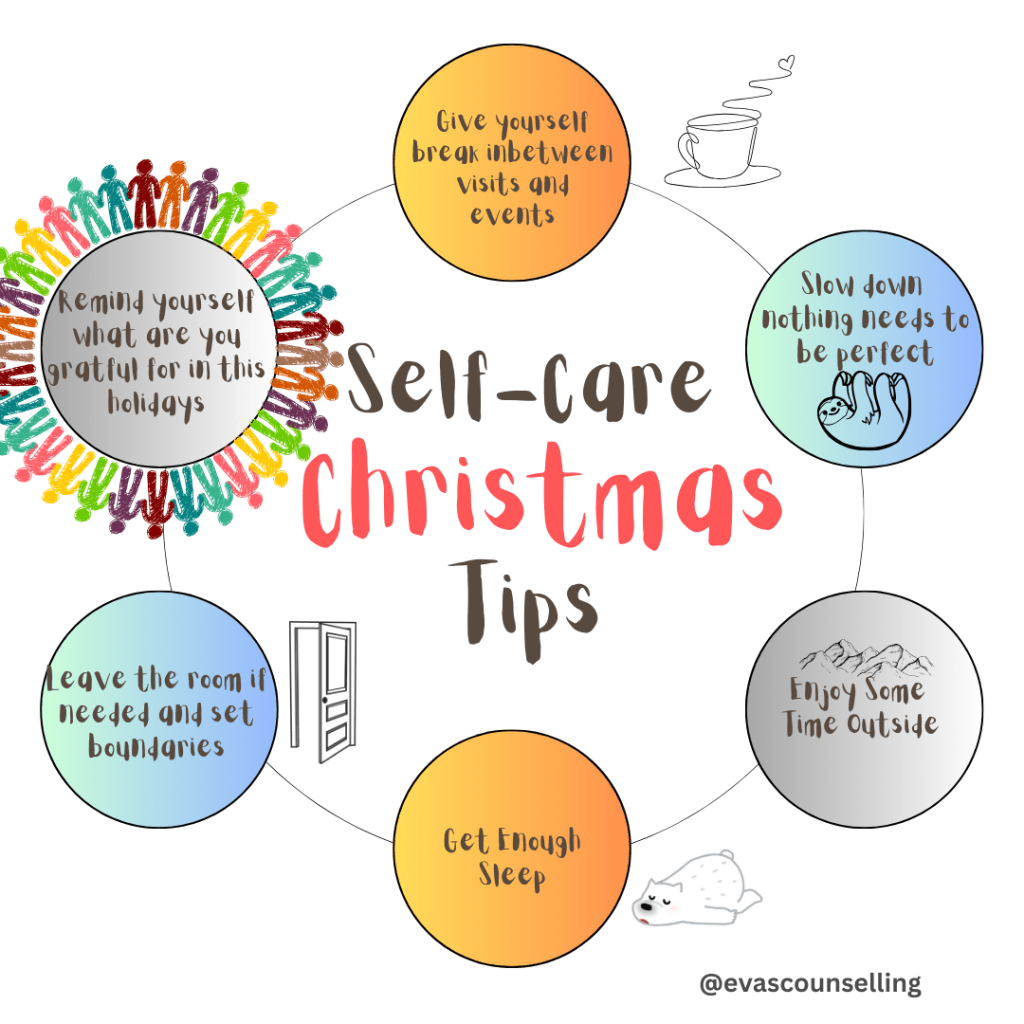
In all honesty I am one learning exactly that myself. It is not a sprint but a marathon, where we sometimes go and are not yet able set appropriate boundaries neither we are able to not get into arguments. It is okay. It is a trying pool where we can observe where we stand.

So I wander do you celebrate Christmas?

Do you enjoy this festive season or does it bring up mostly negative feelings for you?

How are boundaries working for you in this season?
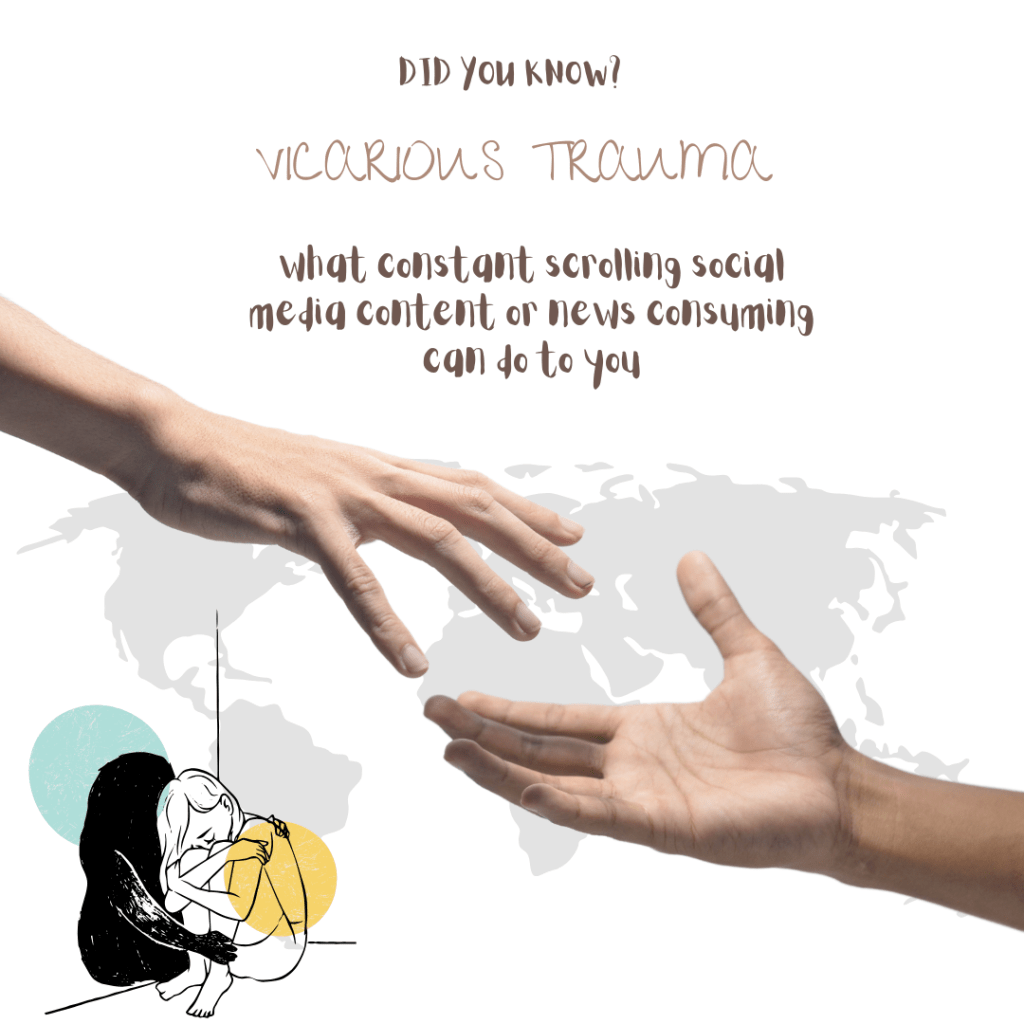
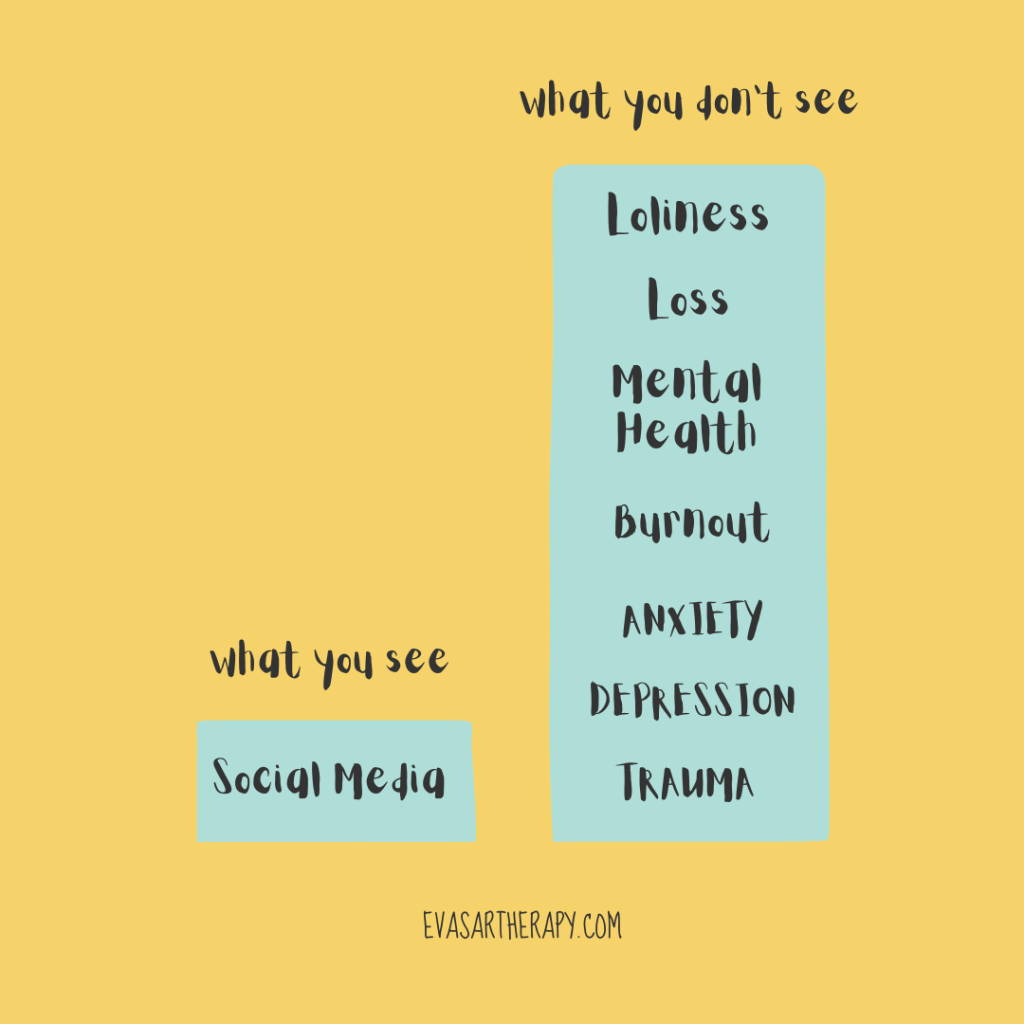
What constant social media scrolling does to you – Vicarious Trauma talk

Have you ever felt low even depressed when consuming social media content?

Have you ever felt such when watching news in the TV?

I am not sure about you, but I am sensitive person who gets feels from things happening around. The connection to my emotions makes me often feel even through the screen what is happening with people or animals there. I find social media and internet itself to be very dangerous and detrimental to our mental health in this sense. One of the things which I will focus on some other time is the lowering attention span we are experiencing by consuming social media content. Another one which we will be focusing on this week has a fancy name in psychology world – Vicarious Trauma.

What is Vicarious Trauma?

British Medical Association defines Vicarious Trauma as follows:

‘Vicarious trauma is a process of change resulting from empathetic engagement with trauma survivors. Anyone who engages empathetically with survivors of traumatic incidents, torture, and material relating to their trauma, is potentially affected, including doctors and other health professionals.’

This is often something experienced by people in health professions, but as well therapists, social care workers, carers, journalists, police officers etc. but as well by you consumer of traumatic news and content. Nowadays culture is based on sharing everything happening in the world. One side of such is staying informed and getting often first hand news and experiences from people directly where the events are happening, but another side of the coin is that you consume and experience as if it to be your own traumatic experience.

How does Vicarious Trauma influences us?

Let’s take for instance any war in the world you might identify with for cultural, geographical or any other reasons. This is a huge traumatic event survivors are going through, likely experiencing as trauma. They share content about it to raise awareness and get necessary help, which is absolutely right thing to do, because it is important for the world to know.

BUT.

You as a consumer of such content in your home on your sofa is emotionally engaging with the trauma these survivors are talking about. It is sort of natural human healthy interaction, but normally we do this with people around us which is often a small group of people in our family and friends which if we take care properly for ourselves we are able to handle.

BUT.

What happens when you do this a lot one post after another, which algorithm on social media often makes sure you do, you are consuming trauma of other people by emotionally engaging with the content which ultimately might lead to following symptoms:

  • experiencing lingering feelings of anger, rage and sadness
  • becoming overly involved emotionally with survivors
  • experiencing bystander guilt, shame, feelings of self-doubt
  • being preoccupied with thoughts of survivors once away from social media
  • over identification with the survivors (having horror and rescue fantasies)
  • loss of hope, pessimism, cynicism
  • distancing, numbing, detachment, cutting people off, staying busy. Avoiding listening to stories of traumatic experiences

All of these apply as well for already mentioned health care professionals, another layer they might experience is difficulty in maintaining professional boundaries with the client, such as overextending self (trying to do more than is in the role to help the patient).

Unfortunately health professionals apart of therapists and psychologists often don’t have an outlet where to go and process Vicarious Trauma. Therapists usually have a supervisors and supervision groups where they bring such things as Vicarious Trauma because their job is very much related to shared trauma. But other professionals often don’t have incorporated such in their work and so often this brings them to people like me, therapists, as they recognise change in their behaviours and mentioned symptoms.

I have to say it is not only health professionals who suffer from such. There are multiple clients I had over the course of years, who’s profession did not include dealing with traumatic events, yet they would exhibit symptoms of Vicarious Trauma. Some was due to family and other relationships dynamics, but some was purely from consuming internet content.

These people than stopped being functioning for their immediate circle and this is something we see often happening in nowadays society, when people are distancing themselves from close people due to inability to deal with anything heavier and more difficult to handle. To a degree this is healthy as it is not our responsibility to deal with all the issues our loved ones and people we care about might have and there is responsibility on their shoulders to reach for help from professionals if people around find it to be too much. But if we become dysfunctional and emotionally distant to people around because of engaging with content on internet that is a red flag for us, that maybe we are the ones who need to put in place some actions to become again functioning and emotionally available.

I am not trying to say here we should all become ignorant to world events and close eyes when there are atrocities happening around the world. But what we might need to do is being aware that we can only pour from a full cup. We need to be maybe aware of such things such as Vicarious Trauma and recognise its symptoms and put in place actions which will help us deal with such. We might maybe need to be honest with ourselves and recognise that all we can truly influence is our physical environment around and that is the true and genuine help we can really offer to the world. By all means share what you feel is important to share with the world, but stay aware of the impact consuming a lot of such content has on you.

Never before was self-care so important as it might be in the world of internet and social media. Never before was self-awareness and connection with ones body and emotions so important as it is these days, because only if we understand what is happening with us we are able to change something. Only then we are able to put in place necessary boundaries or actions to be able show up for the world around us in constructive way and pour from our own full cup.

What can we do to prevent Vicarious Trauma?

When professionals experience Vicarious Trauma the nature of their work make their colleagues, supervisors or other professionals alert about symptoms and they often might be encouraged to seek professional help in order to work through what is happening for them. Despite them recognising effects of Vicarious Trauma someone around them might point symptoms out for them and due to their responsibility for patients or clients they might have to seek some help. The awareness might be as well a bit greater within themselves as the nature of the work they do pushes them to seek information or is getting to them through professional workshops etc. Ordinary person who’s job does not involve dealing with traumas of other does not get to such information and that is why I feel importance of bringing these terms out into open and talk about mental health.

So what can you do as a consumer of traumatic content in TV or social media do in order to prevent Vicarious Trauma? (following points were taken from British Medical Association with my own commentary)

  • Increase your self-observation – recognise and chart your signs of stress, vicarious trauma and burnout.

I get it learning about yet another aspect of your life – mental health can feel overwhelming and daunting. But in fact it is the most what you can do for yourself in order to live fulfilling live. Without attending to your mental health other aspects in your life might be one way or another falling apart.

  • Take care of yourself emotionally – engage in relaxing and self-soothing activities, nurture self-care.

If self care feels selfish there is a chance some of limiting believes within you need to be addressed. Many of us were told that not sharing with others, being ourselves, expressing what we are not okey with, taking time for ourselves and many others are selfish and we shouldn’t be like that. Act of self care is in fact one of the selfless actions specially if our intentions for doing so lie in being able to contribute to lives of others in professional or personal sense. If we take time for ourselves to fill our own cup only means we will be able to give others in the long run.

  • Look after your physical and mental wellbeing.
  • Maintain a healthy work/life balance – have outside interests.
  • Be realistic about what you can accomplish – avoid wishful thinking.

In this sense it might apply to our need to save others and help absolutely everywhere around. Maybe it is important to realise we can not in fact help people in their difficult situations on the other side of the globe or maybe not even within our own country because we just don’t have financial, emotional, mental or physical capacity of doing so and that is okey. It does not make us worse people, it makes us honest and aware people who maybe one day will be able to put their strengths somewhere important when their own circumstances allow them.

  • Don’t take on responsibility for your patients’ wellbeing but supply them with tools to look after themselves.
  • Balance your caseload – mix of more and less traumatised clients, victims and non-victims.

Even though these two point apply for professionals mostly it is something what we often need to learn in personal lives as well. We can not take responsibility for everyone around specially if they are functioning adults. We might not understand their path or even agree with their actions, but they are after all responsible for their own lives. We can share our own tools or experiences we think might be helpful for them specially if they ask, but it is their autonomy and freedom to decide if they want to use them or take something from them.

  • Take regular breaks, take time off when you need to.
  • Seek social support from colleagues, family members.

Consuming only sad, emotional and traumatic content might be a bit too much for our psyche to process. After all as humans who just entered technological era we are not equipped to handle and cope with such a fast pace emotional overload media push onto ourselves. Social media detox, stop watching news or sometimes tv altogether, stop reading newspapers or articles online might be a necessary action for us to take time to time in order to reset our mindset and ease emotional overload we are consuming on day to day bases.

  • If you need it, take up group or individual therapy.

Ultimately if you find yourself experiencing mentioned symptoms and they have effect on your mood, relationships, work or life in general it might be time for you to discuss and gain clarity what’s going on for you with a professional.

Winter Blues – What is Seasonal Depression and is it unnatural state?

It has been past few years since I am aware how my body and mind changes every winter. Autumn is an amazing season full of colours, but it always reminds me of what is coming next. Dark cold winter when my whole body wants hibernate, slow down and do as little as possible. I used to beat myself up for such feelings, thinking that somehow my body is malfunctioning and something must be wrong with me if I experience low moods and lack of motivation, heaviness in my body as winter moths approach. I used to push myself and I still do at times as our society is certainly not accommodating these changes.

As time passed as more I have seen every year what is happening with me, I have started to understand that these feelings I have are quite common across society specially within more sensitive individuals and they are not unnatural to have although are considered to be part of depression. They have a name and in fact might be much more natural to human kind than we might think.

As someone who experiences and quite likely suffers from seasonal depression or correctly called Seasonal Affective Disorder and is slowly creeping in this time of the year, I thought there is no better moment to bring on the table this term, debunk some misconceptions in relation to it and help us understand our changing moods a little bit better.

What is Seasonal Depression

According to NHS in UK: ‘Seasonal affective disorder (SAD) is a type of depression that comes and goes in a seasonal pattern.

SAD is sometimes known as “winter depression” because the symptoms are usually more apparent and more severe during the winter. Some people with SAD may have symptoms during the summer and feel better during the winter. Symptoms of SAD can include:

  • a persistent low mood
  • a loss of pleasure or interest in normal everyday activities
  • irritability
  • feelings of despair, guilt and worthlessness
  • feeling lethargic (lacking in energy) and sleepy during the day
  • sleeping for longer than normal and finding it hard to get up in the morning
  • craving carbohydrates and gaining weight
  • difficulty concentrating
  • decreased sex drive

For some people, these symptoms can be severe and have a significant impact on their day-to-day activities,’ in which case you should talk to your GP or therapist.

As we can see winter blues are defined as a form of depression, which affects people in relation to changing seasons. Interesting part here and something I am quite curios about is if this is somewhat more prone for people living in northern countries. I mostly came across with such feeling here in Scotland due to the fact there is bigger extreme in between summer and winter when comes to light access and so vitamin D.

Mersch et al. (1999) have reviewed the relationship between SAD and latitude of residence. Patients with climatic conditions affective disorder have episodes of major depression that tend to recur in cold weather. This conclusion is an indicator that maybe population of colder countries experience such more often and even maybe I have developed such here due to the cold and dark environment. In fact the whys here are not as important. Important is the awareness of the condition and how can we help it.

Is seasonal depression quite a natural state?

Before we get there I would like to talk a little bit more about the fact that this is form of depression and such realisation might be a little bit difficult for some people to hear. Depression has a lot of negative popularity and many people are scared to be associated with such serious negative term. Yet there is high possibility we all experienced some depressive period if not more than one throughout our lives knowingly or unknowingly. The label again is not as important, but recognition of such feelings might be.

You might be asking why do we need to be aware, isn’t it better if we don’t and just get on with it?

What get on with it really means?

I would be assuming it means we find ways how to function despite having such feeling, we would want to help ourselves with means possible and available to live fulfilling life. In fact many of us do that, but awareness of it is the link inbetween pure surviving without addressing the issue and actually living.

Can we get on with cancer if we don’t know it is spreading inside of us, how can we treat it if we do not even know it exists. With physical health it gets easier we can see broken leg, spots on the skin or feel strong pain in different parts of our bodies, but with mental health the symptoms might be often more subtle and less if even visible. Without awareness of depression we might feel in relation to changing seasons, we are denying the fact something is happening within us what in fact might be more natural than we might think.

Where it comes from?

This is pure speculation and I did not find actual research which would back this theory – in fact it is not even possible, because we don’t have this kind of health information from our ancestors, but I wander if our bodies are in fact build to experience seasonal depression as an ancestral inheritance.

We have no means to study if our ancestors in experienced mental health issues, but we recognise slow forming of rituals when comes to celebrating death, social aspect of creating community and times of more intense and less intense work of hunting and gathering. One could easily speculate if they were just more connected with their bodies and so if tired they would sleep, if hungry they would eat, if sad they would honour their death or stick with others or likely find solitude of sorts. We don’t know these things, but what we know is if we are not in connection with our bodies and we push our bodies against natural rhythm which our technological and industrial era demands of us, we are finding ourselves feeling more low and with mental health issues.

If we’d look at our ancestors of past 12 000 years, who became farmers and settled, I wander if seasonal depression might be something natural to happen. They would often work hard, outdoors within communities in summer, whereas their body would naturally slow down and they’d take more rest in winters, being more inside with less people. We can only speculate if our bodies are responding to a natural occurrence in mostly cold months, something what human kind have always experienced or if even depression related to seasons is a form of illness in modern world, maybe because we are less connected to our bodies than ever before.

Is SAD really depression?

As we learnt earlier SAD is classed to be a form of depression due to its symptoms. We could agree if symptoms are the measure it certainly sounds like depression. What if we go a bit farther into more complex interconnected and take as the measure environment and natural responses of body to such environment. It has been proved that depressive episodes are mostly present in colder weather conditions.

One could think if our bodies are in fact accustomed to outdoor warmer or more light conditions if we move indoors during dark and cold periods our bodies naturally slow down getting ready to more hibernation period which in fact all our ancestors seam to experience. So if we are looking at SAD from this angle, is it really a depression or is it even a disorder or is it just a natural response of our bodies to the environment and ancestral way of functioning.

Hunters and gatherers maybe used to be more in connection with their bodies and farmers maybe slowed down in winter months. Suddenly in past few centuries we’ve started demanding same amount of work all year long, we’ve stopped listening to our bodies and what once was natural to do in connection to nature and our bodies became a disorder because it is not profitable to have slowing down and hibernating individuals in the society half of the year.  

How can we deal with SAD?

If the symptoms become severe please talk to your GP, but if you more experience just winter blues, when your body is asking for more rest, more quiet, slowing down and feels a bit more low, maybe just listen and acknowledge it. Don’t try to push it away or beat yourself up that you are not keeping up with everything as you might be able to do in summer periods. It is likely quite natural rhythm of your body, which is just sensitive to changes in the environment and in the nature. Everyone is different and everyone will need something different, but listen what is your body is asking of you.

Is it more rest?

Is it more solitude and quietness?

Is it more balance or less workload?

Is it need for interactions?

Is it need for outdoors?

Is it need to move as you were sitting too much?

Whatever you find that will be likely correct answer. Keep an eye on disguised cravings and in fact unhealthy impulses, which might be telling in their own disguised way what you really need. But that would be a topic for another day.

Let me know if you experience winter blues, were diagnosed with Seasonal affective disorder and how you experience it? What is helping you?

What you feel matters

I was in my 20s when I first time recognized that emotion I feel the pit in the stomach is in fact anxiety. I thought we all have it and it is a normal state of bodily feelings, so I learn to push through the feeling my entire life, without acknowledging, addressing or naming what is happening. Until life circumstances made it to be all a bit too much. That was first time I went to therapy, which led later to my own therapeutic training and towards the career I am in now.

My own personal story is not important though.

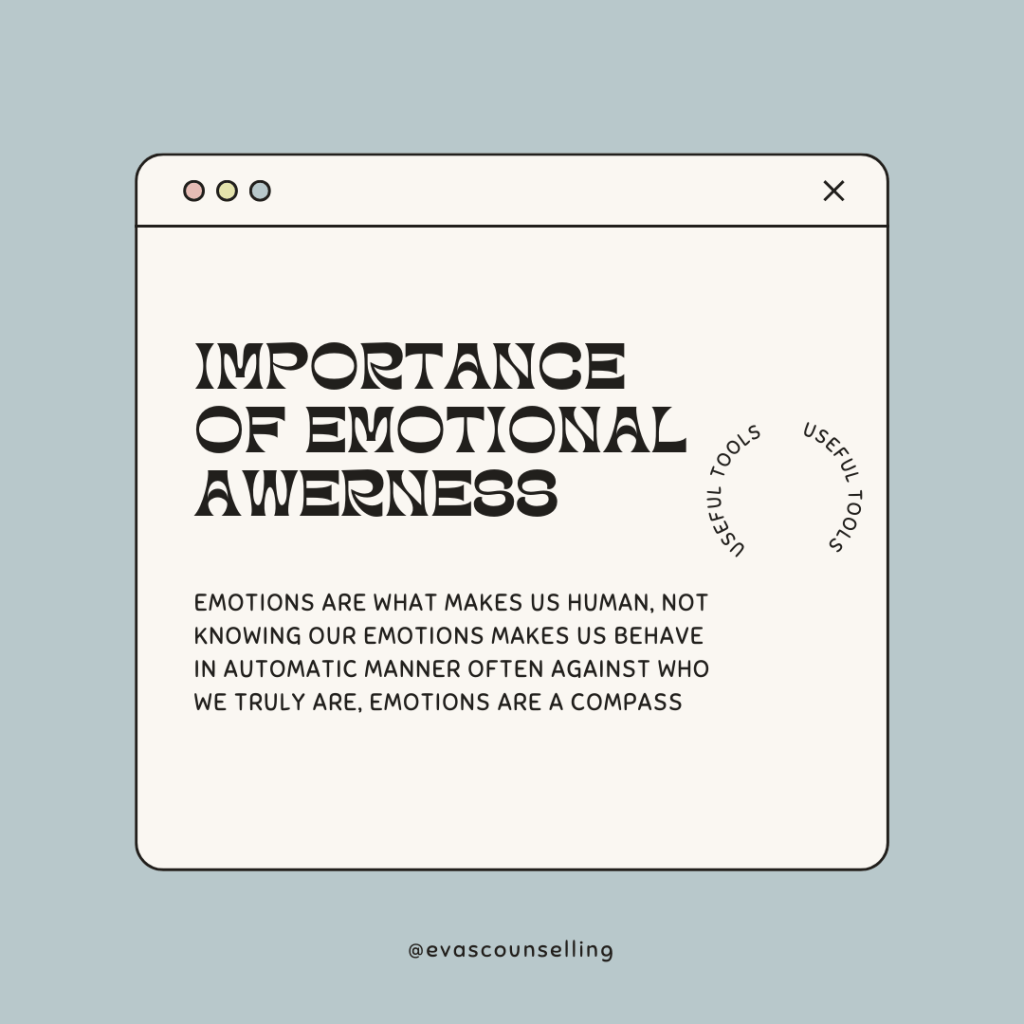
The reason I am sharing this is that I did not know how important emotional awareness is. Sometimes we are very self-aware on cognitive level, but we are just not in touch with our own emotions, with our body. Many are just not thought to name and recognize their emotions from very early age.

The whole system our society was built on does not teach children emotional awareness. I correct myself it did not used to…things are changing…thank god. Although another topic would be how ‘emotional’ subjects are being slowly erased to make more space to logical ones, unfortunately.

Where it all started?

Given the complexities of emotions, Robert Plutchik psychologist, who developed the Emotion Wheel to assist people define and name their feelings. He is a founder of theory of emotion, when he first time classified general emotional responses. The awareness itself helps, but he went even farther and proposed that defense mechanisms were in fact manifestations of core emotions.

Nowadays…

Many are still shamed for feeling negative emotions throughout the life and this slowly but steadily builds up our belief system about ourselves and the world. We see the spike in people experiencing depression, anxiety and all sort of others mental health issues. Often those who claim they never experienced these are in fact just not in touch with their own bodies and emotions.

If we learn to listen to our own emotions, when we recognize how we feel in different moments, we might be able to make choices in life which will reflect our values and who we truly are. We might learn to set boundaries if we need to and we might feel less impact of stress in our everyday lives.

We become more authentic and other people can better relate to us, which leads to deeper relationships reflecting our own individual preferences.

I am curious..

Do you remember when you learn naming emotions, if ever?

There is a tool often used by therapists called ‘emotional wheel’ developed by already mentioned Robert Plutchik. I often hear from clients when seeing the wheel for a first time sense of amazement. They did not know there is so many emotions. I often reach for emotional wheel in my personal life as well. After all we all are human and in fact emotions make us so.

I believe that emotional awareness does not belong solely to a therapy room, where people often find themselves when in crises. Recognizing emotions, naming them and being able to address them and communicating them in healthy way, should be a part of our culture, every day life, workplace, in our relationships. It might help us to become a whole human, who might find themselves in crises in different stages of their life, but would be as well more equipped to handle them.

I am including this basic tool here, but can be found anywhere on internet.

In the middle of the wheel you can find basic emotions. The second tire shows a bit deeper emotions behind the basic ones, which language we use sometimes for and the third tire shows even deeper emotions we don’t often recognize they exist or that they are related to the basic ones.

Do arty exercise every week and this will happen

Artherapy - articles - headlines (1)Mindful art…

Art exercises…

But I am NOT artistic!

Why should I do them at all??

Last time I have mentioned that doing arty exercises can shift a little (or a lot) our perception.

The reason is that through these kind of exercises we let our right site of the brain talk. Usually the society we live in demands use of our left site of the brain, which is analytical, logical, scientific, numeric, solutions oriented, memorising and so on. The right site unless we are artistic oriented or we do something creative is often abandoned.

Peter is highly motivated analytical manager who used to be a heart of the company. Everybody found him to be very responsible and felt motivated by him.

But now everything changed.

Continue reading